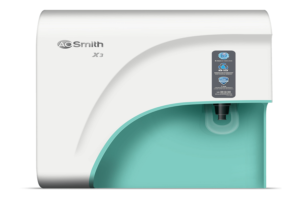
The Ultimate Guide to Choosing the Best RO Water Purifier for Your Home
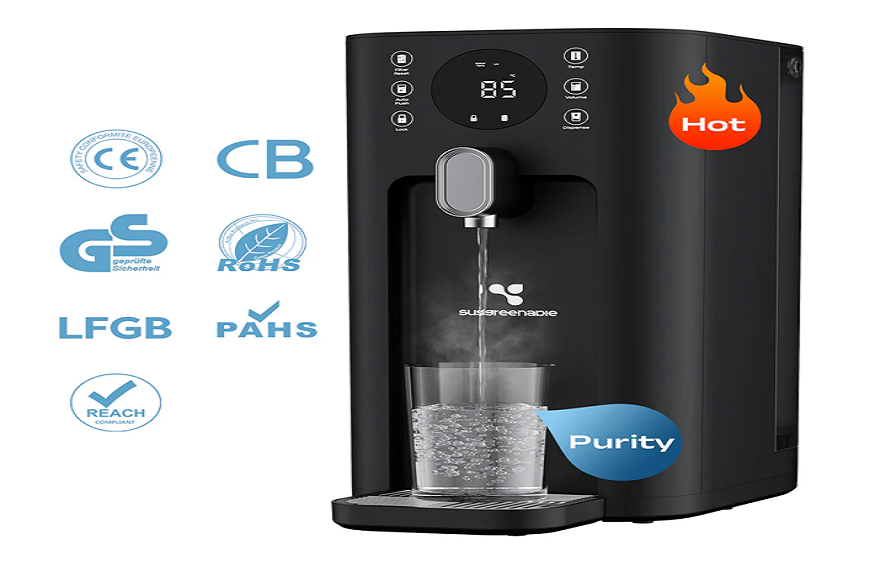
Access to clean and safe drinking water is essential for a healthy life. With increasing levels of water contamination due to industrial waste, agricultural chemicals, and urban pollution, ensuring the purity of drinking water has become more important than ever. This is where an RO Water Purifier comes into play. Reverse Osmosis (RO) technology is one of the most effective methods for removing impurities, harmful chemicals, and microorganisms from water, making it safe for consumption.
In this comprehensive guide, we will explore what an RO water purifier is, how it works, its benefits, and how to choose the best one for your needs.
What is an RO Water Purifier?
An RO Water Purifier is a filtration system that uses a semi-permeable membrane to remove dissolved solids, contaminants, and harmful substances from water. It is widely used in households and industries to ensure water purity. The system effectively eliminates impurities such as lead, arsenic, fluoride, chlorine, and bacteria, providing clean and safe drinking water.
Unlike traditional filtration methods, RO technology works at a molecular level, ensuring that even the smallest impurities are filtered out. This makes it one of the most reliable water purification methods available today.
How Does RO Technology Work?
The process of reverse osmosis involves several stages of filtration:
- Pre-filtration: Water first passes through a sediment filter that removes dust, dirt, and large particles.
- Carbon filtration: This stage removes chlorine, bad odor, and organic compounds.
- RO membrane: The core of the system, where dissolved salts, heavy metals, and microscopic impurities are removed.
- Post-filtration: Further purification enhances taste and removes any remaining odor.
- Storage tank: Clean water is stored for consumption.
This multi-stage filtration ensures that the water you drink is free from harmful substances and tastes fresh.
Benefits of Using an RO Water Purifier
1. Removes Harmful Contaminants
RO purifiers effectively remove heavy metals, pesticides, bacteria, and viruses from water. This significantly reduces the risk of waterborne diseases.
Read More: Sanctuary of Sleep: A Comprehensive Guide to Choosing Hypoallergenic Bedding
2. Improves Taste and Odor
By removing chlorine and other impurities, RO systems improve the taste and smell of water, making it more pleasant to drink.
3. Cost-Effective in the Long Run
Although the initial investment may seem high, an RO purifier saves money over time by reducing the need for bottled water.
4. Environmentally Friendly
Using a purifier reduces plastic waste caused by bottled water consumption, making it an eco-friendly choice.
5. Suitable for Hard Water
RO systems are particularly effective in areas where water has high Total Dissolved Solids (TDS), making it safe and drinkable.
Factors to Consider Before Buying an RO Water Purifier
Choosing the right purifier can be overwhelming due to the variety of options available. Here are some key factors to keep in mind:
1. Water Quality in Your Area
Before purchasing, get your water tested to determine the level of impurities and TDS. This will help you choose a purifier that suits your needs.
2. Storage Capacity
Select a purifier with adequate storage capacity based on your household size. A family of four may require a tank of at least 7–10 liters.
3. Maintenance and Filter Replacement
RO purifiers require periodic maintenance and filter replacement. Ensure that the service cost is affordable and easily available in your area.
4. Power Consumption
Since RO systems use electricity, choose an energy-efficient model to reduce your electricity bills.
5. Additional Features
Modern purifiers come with features like UV filtration, mineralizers, and smart indicators. These features can enhance water quality and convenience.
Read More: Joe Cianciotto Provides an Introduction to Co-Living Spaces
Common Myths About RO Water Purifiers
There are several misconceptions about RO purifiers that often confuse buyers:
Myth 1: RO removes all essential minerals
While RO systems do remove some minerals, many modern purifiers come with mineral cartridges that restore essential nutrients.
Myth 2: RO water tastes flat
Advanced systems improve taste by adding minerals and balancing pH levels.
Myth 3: RO is only for hard water
Although ideal for hard water, RO purifiers can be used for various water sources with proper configuration.
Maintenance Tips for Long-Term Performance
To ensure your RO Water Purifier functions efficiently, follow these maintenance tips:
- Replace filters regularly as per manufacturer guidelines.
- Clean the storage tank periodically to prevent bacterial growth.
- Check for leaks or unusual noise in the system.
- Schedule professional servicing at least once a year.
Proper maintenance not only extends the lifespan of the purifier but also ensures consistent water quality.
RO Water Purifier vs Other Filtration Methods
It is important to understand how RO compares with other purification technologies:
- UV Purifiers: Effective against bacteria and viruses but do not remove dissolved solids.
- UF Purifiers: Work without electricity but are less effective against chemical contaminants.
- Activated Carbon Filters: Improve taste but do not eliminate heavy metals.
RO systems combine multiple filtration stages, making them more comprehensive and reliable than other methods.
Why Investing in an RO Water Purifier is Essential
In today’s world, water pollution is a growing concern. Contaminated water can lead to serious health issues, including gastrointestinal infections, kidney problems, and long-term diseases. Investing in a reliable RO purifier ensures that your family has access to safe drinking water at all times.
Interestingly, just as modern kitchen appliances like Ciarra One are designed to improve air quality and convenience, advanced RO purifiers are revolutionizing the way we access clean water at home. Both innovations highlight the importance of a healthier living environment.
Future of Water Purification Technology
The future of water purification looks promising with the integration of smart technology. Many modern RO systems now come with IoT-enabled features, allowing users to monitor water quality, filter life, and maintenance schedules through mobile apps.
Additionally, innovations are being made to reduce water wastage associated with RO systems, making them more sustainable and efficient.
Conclusion
An RO Water Purifier is no longer a luxury but a necessity in today’s polluted environment. It provides a reliable solution for ensuring clean, safe, and great-tasting drinking water. By understanding how RO technology works and considering key factors before purchasing, you can make an informed decision that benefits your health and lifestyle.
Whether you live in an urban city or a rural area, investing in a high-quality RO purifier is a step toward better health and well-being. With proper maintenance and the right features, it can serve your household efficiently for years to come.
Clean water is the foundation of a healthy life—make sure you choose wisely.