When Is It Worth Upgrading From Domestic to Professional Groundcare Equipment?
For most gardens, domestic machinery is perfectly adequate. A standard mower, hedge trimmer, leaf blower and strimmer can handle routine maintenance without much difficulty, particularly when the space is relatively compact and the work is carried out regularly.
The situation changes when the area becomes larger, the terrain more demanding or the workload more frequent. At that point, equipment designed for occasional domestic use can start to feel slow, underpowered and frustrating. The question is not whether professional groundcare machinery is inherently better. It is whether the scale of the job has reached the point where domestic tools are no longer the most sensible option.
One of the clearest signs is time. If mowing the lawn has gone from being a manageable weekend task to something that consumes several hours, the issue may not be the garden itself but the machinery being used. A push mower that works well on a modest lawn can become inefficient across a much larger area, while repeated passes over uneven or heavy grass can place significant strain on both the machine and the person operating it.
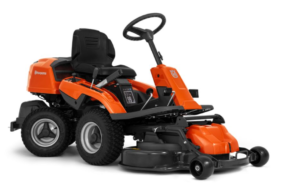
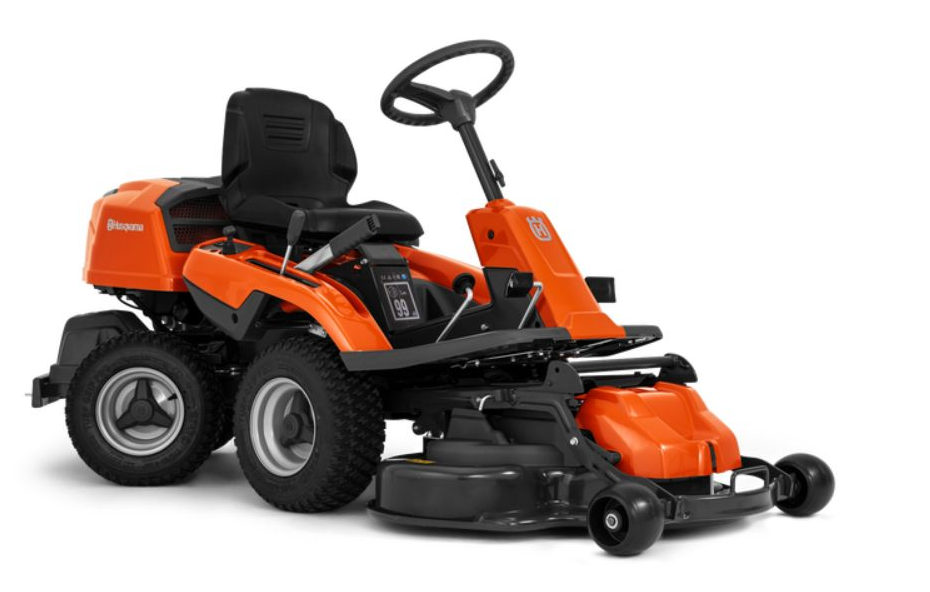
This is where suppliers such as Ron Smith become relevant because professional groundcare equipment is designed with sustained use in mind. Ride-on mowers, larger cutting decks, compact tractors and more robust handheld tools can reduce the amount of time required to maintain larger spaces while coping better with demanding conditions.
Size Is Only Part of the Equation
People often assume that professional equipment is only necessary for enormous estates, but total acreage does not tell the whole story.
A one-acre garden made up of open, level lawn may be easier to maintain than a smaller site with slopes, trees, narrow sections, rough grass and several different landscaped areas. The layout can affect machinery choice just as much as size.
Read More: Upgrade Your Home with a uPVC Windows and Doors Supplier in Maharashtra
If there are large uninterrupted lawns, a ride-on mower may provide a major advantage. Where the space includes tighter corners and obstacles, maneuverability becomes more important. In some cases, a combination of equipment may make more sense than relying on one machine to do everything.
Terrain matters too. Ground that is uneven, wet or sloping can place greater demands on a mower and may require stronger construction or better traction. Domestic machines are often designed around fairly predictable garden conditions, whereas professional equipment tends to offer more options for sites where the workload is less forgiving.
Frequency of Use Makes a Difference
A machine used once a fortnight during summer has a very different working life from one that is operating several days a week.
Large properties, communal grounds and extensively landscaped gardens may require near-constant attention during the growing season. Grass needs cutting, hedges need managing and pathways need clearing. In autumn, leaf collection can become a significant task, while winter may bring its own maintenance demands.
Domestic machinery can sometimes handle this level of use, but it may wear more quickly than equipment designed for repeated operation. Frequent breakdowns, reduced battery life or struggling engines can gradually erode whatever saving was made by purchasing cheaper tools.
Professional machinery typically costs more because it is built for a heavier workload. That does not automatically make it the best choice, but where use is frequent, durability becomes much more important.
Consider the Cost of Your Time
Purchase price is easy to compare. Time is less obvious.
Imagine that a larger mower cuts a lawn an hour faster each week during the main growing season. Over several months, that can amount to a substantial amount of saved time. For a homeowner maintaining the grounds personally, that may simply mean getting more of the weekend back. For someone employing a gardener or groundskeeper, the saving can have a direct financial value.
This is one reason professional machinery can sometimes be justified even when domestic equipment is technically capable of doing the job. Efficiency matters.
A machine that covers more ground, requires fewer passes or allows several jobs to be completed with different attachments can change the economics of grounds maintenance considerably.
Compact tractors are a good example. On a sufficiently large property, one machine can potentially support mowing, scarifying, aerating, spreading and other tasks depending on the attachments available. Buying such equipment for a suburban lawn would make little sense, but for a large estate it can reduce the need for several separate machines.
Poor Results Can Be Another Warning Sign
Time is not the only indication that an upgrade may be worthwhile. The quality of the finished ground matters too.
A mower that struggles with long or damp grass may leave an uneven finish. Small machines can also find it difficult to maintain consistent results across extensive lawns, particularly when the ground is rough.
Likewise, a lightweight hedge trimmer that performs well on a short garden hedge may feel inadequate when faced with long boundaries or mature growth. The operator may need to make repeated passes, work more slowly or stop frequently.
When the equipment itself is limiting the quality of the work, moving to a more capable machine can make sense.
That does not necessarily mean buying the largest or most expensive model available. Oversized equipment can create its own problems, particularly where access is restricted. The objective should always be to match the machine to the task.
Storage and Maintenance Need to Be Considered
Upgrading to professional equipment brings additional responsibilities.
Larger machinery needs appropriate storage. A ride-on mower or compact tractor cannot simply be placed in the corner of a small shed, and equipment should ideally be kept somewhere secure and protected from the weather.
Servicing is another consideration. Professional machines may be more durable, but they still require maintenance. Oil changes, blade sharpening, filters, tyres and other components need attention if the equipment is to remain reliable.
Before upgrading, homeowners should therefore consider not only whether the machinery will improve grounds maintenance but also whether they have the space and willingness to look after it properly.
There is little benefit in purchasing an expensive machine that deteriorates because it is left exposed or poorly maintained.
It Does Not Have to Be an All-or-Nothing Change
Moving towards professional equipment does not mean replacing every domestic tool in the shed.
A sensible approach is often to upgrade the machines responsible for the heaviest workload first. For many larger properties, that might mean investing in a ride-on mower while continuing to use existing handheld equipment for trimming and smaller jobs.
Over time, other tools can be replaced as their limitations become apparent. This gradual approach spreads the cost and ensures that each purchase addresses a genuine need.
It also prevents overbuying. Professional machinery is most valuable when it solves a specific problem: excessive mowing time, difficult terrain, frequent use or inadequate performance.
The Right Time to Upgrade
There is no fixed garden size at which domestic machinery suddenly becomes unsuitable. The tipping point depends on the layout, workload, frequency of use and how much time the owner is prepared to spend maintaining the grounds.
If domestic equipment still completes the job comfortably and produces good results, there may be no reason to change it. New machinery should not be bought simply because a more powerful option exists.
However, when routine jobs are taking too long, equipment is being pushed to its limits or maintenance has become an exhausting part of owning the property, professional ground care machinery starts to become a more realistic investment.
The best upgrade is therefore not necessarily the biggest machine available. It is the one that removes a genuine bottleneck. For large gardens and extensive grounds, that can mean fewer hours spent struggling with unsuitable equipment and more time actually enjoying the outdoor space.