How Often Should You Mow Your Lawn for the Best Results?
There is no single mowing schedule that suits every lawn throughout the year. Cutting the grass every Saturday because that is when you have always done it may be convenient, but the lawn itself does not operate according to a calendar. Growth can accelerate dramatically during mild, damp periods and then slow almost to a standstill when conditions become hot, dry or cold. For the healthiest and most attractive results, mowing frequency should therefore follow the grass rather than the day of the week.
A regularly mown lawn usually becomes denser and more even because frequent cutting encourages the grass plants to produce additional shoots rather than simply growing taller. The challenge is finding the balance between mowing often enough to maintain that dense appearance and cutting so frequently, or so aggressively, that the grass becomes stressed. The right frequency changes with the seasons, the weather, the type of lawn and even how short you want to keep it.
Spring is usually the point at which mowing becomes a regular job again. As temperatures rise and daylight increases, grass starts growing more vigorously. The first cuts of the year should generally be gentle rather than an attempt to return the lawn immediately to its summer height. Grass that has spent the winter growing slowly may be soft, damp and uneven, so setting the mower slightly higher allows the lawn to regain strength without removing too much growth at once. Once growth becomes consistent, mowing may be required roughly every week, and sometimes more often during particularly favourable conditions.
The speed of spring growth can catch people out. A lawn that needed cutting every ten days in early March may require attention every five or six days a few weeks later. Rain followed by mild temperatures can produce especially rapid growth. Rather than allowing the lawn to become very long between cuts, it is usually better to mow a little more frequently while removing less grass each time. This produces a neater finish and places less stress on the plants.
One useful principle is to avoid removing more than roughly one third of the grass height in a single mowing session. This is not a rigid mathematical requirement, but it is a helpful guide. If the lawn is allowed to grow to 9cm, for example, attempting to reduce it immediately to 3cm would remove far too much green material. A more gradual reduction allows the grass to continue photosynthesising effectively while adjusting to the shorter height. This becomes particularly important after a holiday or a spell of wet weather has prevented normal mowing.
Summer creates a different set of decisions. During mild and moderately wet weather, grass can continue growing quickly and may still require weekly mowing. When prolonged dry conditions arrive, however, growth may slow considerably. Continuing to mow on the same schedule can become counterproductive because the lawn is already conserving moisture and coping with environmental stress. Raising the cutting height and leaving longer intervals between mowing sessions can help the grass retain moisture and protect the soil from direct sunlight.
A slightly longer summer lawn will often remain greener than one cut extremely short. Longer leaves create shade around the base of the plants, reducing evaporation and helping the root zone stay cooler. This may not produce the ultra-short appearance associated with ornamental lawns, but it can be much more practical during periods of heat and drought. If the grass has almost stopped growing, there is little benefit in running the mower over it simply because another week has passed.
The type of lawn also affects mowing frequency. A formal ornamental lawn maintained at a low height may need cutting several times a week during peak growing conditions if the owner wants to preserve a very precise appearance. An ordinary family lawn can generally be managed with less frequent mowing because it is usually kept slightly longer and needs to withstand children, pets and everyday use. Lawns containing a mixture of grass species and wildflowers may be cut less frequently again, depending on the desired result.
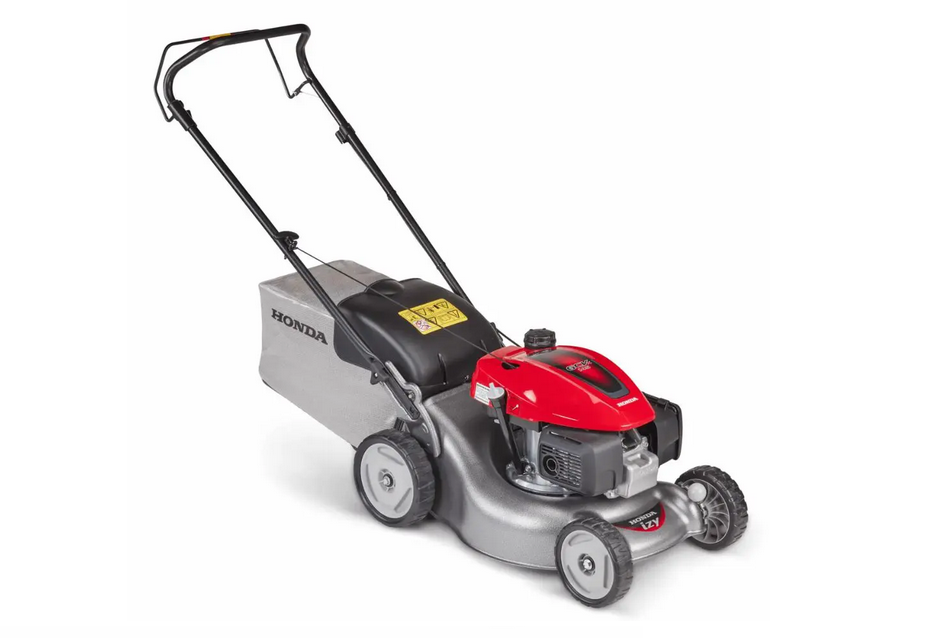
Your mower can influence what is practical as well. A machine that produces a clean, consistent cut makes regular mowing easier and places less stress on the grass than one with a dull blade. Different mowing systems also suit different routines. A mulching mower, for example, generally performs best when used regularly because it cuts relatively small amounts of grass into fine particles that can fall back into the lawn. Allowing the grass to become extremely long before attempting to mulch it can leave heavy clumps on the surface instead.
For homeowners deciding which type of machine best suits the size and mowing demands of their garden, retailers such as Garden Machinery Direct offer a range of lawnmowers designed for different lawn sizes and cutting approaches. The important point is to match the mower not only to the area of grass but also to how frequently you realistically expect to use it. A machine that makes routine mowing quicker and easier is more likely to be used at sensible intervals.
The appearance of the lawn immediately after mowing can provide clues about whether the frequency is right. If large quantities of clippings are being produced every time, the grass is probably being allowed to grow too much between cuts. If the mower struggles, blocks frequently or leaves piles of cuttings behind, shortening the interval between sessions may produce better results. By contrast, if very little grass is being removed and the lawn is dry or struggling to recover, mowing may be happening more frequently than necessary.
Autumn usually brings another period of active growth before temperatures fall. Mild weather combined with increased rainfall can keep grass growing surprisingly quickly during September and October, so putting the mower away simply because summer has ended can be premature. Regular cutting may still be required, although mowing frequency will gradually decrease as temperatures drop and daylight hours shorten.
This is also a useful time to begin raising the cutting height slightly. Leaving grass a little longer as winter approaches gives it more leaf area for photosynthesis during the shorter days and can help it tolerate wet, cold conditions. The final cut of the year should not necessarily be thought of as a fixed date. In many parts of Britain, mild winters mean grass may continue growing slowly well beyond the traditional end of the mowing season.
Winter mowing is sometimes appropriate when conditions allow. If the grass is clearly growing and the ground is firm and reasonably dry, an occasional light cut can keep the lawn tidy. The key is to avoid mowing when the lawn is frozen, waterlogged or extremely wet. Heavy machinery and repeated foot traffic on saturated soil can cause more harm than leaving the grass slightly longer.
Read More: Upgrade Your Home with a uPVC Windows and Doors Supplier in Maharashtra
Weather on the actual day of mowing matters too. Cutting very wet grass can produce an uneven result because the blades of grass bend under the weight of moisture. Wet clippings can also stick together, block the mower deck and form heavy deposits on the lawn. Whenever practical, waiting for the grass to dry usually produces a cleaner finish. During hot spells, mowing in the cooler part of the day can reduce stress compared with cutting during intense midday sun.
Another reason to vary mowing frequency is that grass does not grow uniformly throughout a garden. Shaded areas may grow differently from sections receiving full sun, while soil fertility and moisture can create noticeable variations. It is perfectly reasonable to treat different areas slightly differently rather than assuming the entire lawn must always be cut at exactly the same interval.
Regular mowing does more than control height. It can help produce a thicker lawn that is better able to compete with weeds. When grass becomes very long and is then cut severely, it can be left thin and weakened, allowing unwanted plants to take advantage of gaps. Frequent, moderate cutting generally supports a denser surface and more consistent appearance.
That does not mean mowing should become an obsession. Allowing the grass an extra few days between cuts will rarely cause lasting harm, and there will be times when weather or other commitments make the ideal schedule impossible. The important distinction is between occasional delays and routinely allowing grass to become very long before cutting it extremely short.
Read More: When Is It Worth Upgrading From Domestic to Professional Groundcare Equipment?
The simplest way to decide whether it is time to mow is therefore to look at the lawn rather than the calendar. Ask whether the grass has grown enough to justify cutting, whether conditions are suitable and whether the mower can remove the required amount without taking too much at once. That approach naturally produces more frequent mowing during periods of rapid growth and longer gaps when the lawn slows down.
A healthy mowing routine is flexible. Spring may require steadily increasing attention, early summer may mean regular weekly cuts, dry periods may call for restraint, and autumn can remain surprisingly active before growth finally slows. By adapting to those changes rather than forcing the lawn into a fixed schedule, it becomes much easier to maintain grass that is dense, resilient and attractive throughout the year.