Joe Cianciotto Provides an Introduction to Co-Living Spaces
Searching for a new home can be a very confusing and complex endeavour, especially for young people with a limited budget. It takes a lot of time and energy to figure out how much one can reasonably spend on rent, select a location, find roommates, and more. To save money and enjoy the benefits of community living, many young professionals today opt for co-living spaces instead of traditional rental apartments. As per Joe Cianciotto, co-living is an increasingly popular community living concept, where people move in with like-minded people, share service costs, and enjoy flexible rental terms.
Joe Cianciotto offers a general insight into co-living spaces
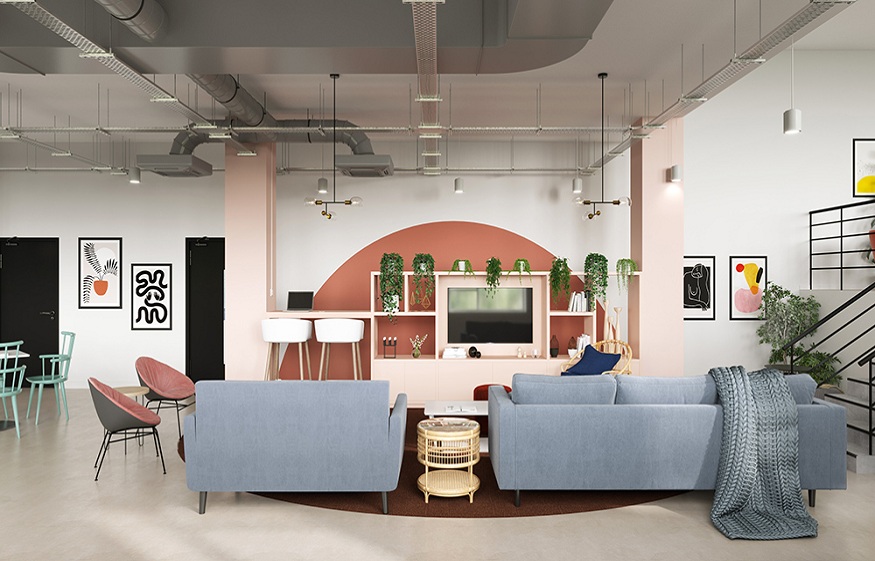
Co-living is an emerging housing concept where one is provided a private bedroom within a furnished house while sharing communal spaces with fellow residents. These communal spaces tend to include kitchens, living rooms, workspaces, and recreational areas. Co-living spaces can vary from apartments to spacious homes, and typically cater to individuals who have similar lifestyles, goals, or interests.
While co-living spaces do resemble the setup of sharing a rental apartment with roommates in certain aspects, it provides a much-heightened sense of community and resource sharing. Co-living spaces are managed by professional companies, making things a lot more convenient for the residents. Co-living spaces also cultivated shared activities and social interaction among residents, unlike a traditional roommate setup, where these dynamics tend to be less pronounced.
Moreover, the shared amenities available in co-living spaces usually surpass what’s available in typical roommate setups. At co-living spaces, one may find collaborative workspaces, gym or fitness centers, communal living and recreational areas, and more. Their layout is especially designed to facilitate shared activities and encourage a strong sense of community. As per Joe Cianciotto, this feature differentiates co-living spaces from many traditional housing arrangements that prioritize individual space over communal engagement.
Read More: Sanctuary of Sleep: A Comprehensive Guide to Choosing Hypoallergenic Bedding
In most large cities, living in a co-living space is usually more affordable than renting an apartment. When an individual rents an apartment, they have to pay rent, brokers fee, security deposit, as well as buy furniture and appliances. On the other hand, for co-living spaces, one just has to pay an all-inclusive rent to enjoy a fully furnished living space.
The sense of community facilitated by co-living spaces is one of their most appealing aspects. This living arrangement fosters social interaction, collaboration, and support, and creates a sense of belonging, making it a perfect home for remote workers or people new to the city. Co-living spaces provide individuals with the opportunity to connect with people from a wide range of backgrounds, allowing them to build new friendships and collaborate on shared interests or projects. Social events like movie nights and workshops are often organized in co-living spaces, which help create a lively community atmosphere and encourage regular interaction among residents. This environment is particularly attractive to those who value social engagement and networking opportunities.
Read More: Top 5 Benefits Of A Custom Wood Mirror Frame For Your Home That Enhance Aesthetic And Ambience
Co-living spaces also provide a safe and secure living environment for residents. They usually have security measures like secure access systems, cameras, and on-site staff in place. Living with others adds an extra layer of security, as there are more people to watch out for each other and help in emergencies.