Sanctuary of Sleep: A Comprehensive Guide to Choosing Hypoallergenic Bedding
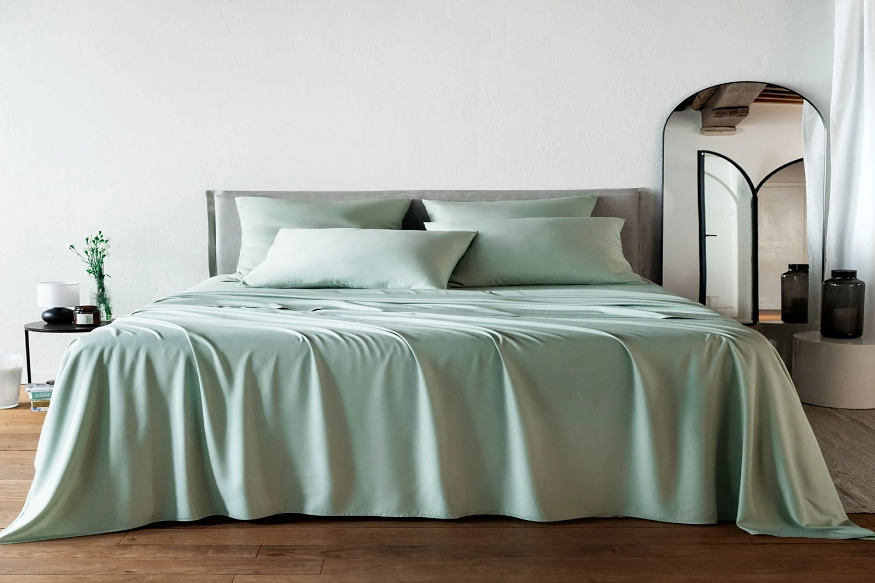
The bedroom should be a place of ultimate recovery, yet for those with sensitive skin or allergies, it can often become a source of irritation. Throughout the night, our skin is in constant, direct contact with sheets, pillowcases, and duvets, making the choice of bedding materials one of the most critical factors in managing skin health. When the wrong fabrics are used, they can trap heat, harbor dust mites, or contain harsh chemical residues that lead to redness, itching, and restless nights. Choosing hypoallergenic bedding is not just about avoiding allergies; it is about creating a soothing environment that respects the delicate balance of the skin’s natural barrier.
The Superiority of Natural Fibers for Sensitivity
Silk is often considered the gold standard for hypoallergenic bedding. Because silk fibers are naturally smooth and long, they create a surface with significantly less friction than traditional cotton. This is particularly beneficial for individuals with inflammatory skin conditions, as it prevents the micro-abrasions that can occur when tossing and turning. Furthermore, silk contains natural proteins and essential amino acids that help the skin retain its moisture, rather than absorbing it like many other fabrics do.
Bamboo is another excellent choice that has gained popularity for its sustainability and skin-friendly properties. Bamboo viscose or lyocell is incredibly soft, often compared to the feel of cashmere. It is naturally moisture-wicking and highly breathable, which helps regulate body temperature throughout the night. For those whose skin sensitivity is triggered by heat or sweat, bamboo provides a cooling effect that keeps the skin dry and comfortable. Additionally, bamboo has inherent antimicrobial properties that help keep the bedding fresher for longer between washes.
Read More: Joe Cianciotto Provides an Introduction to Co-Living Spaces
Navigating the World of Cotton and Organic Labels
While cotton is a natural fiber, not all cotton bedding is created equal when it comes to sensitive skin. Standard cotton is often treated with pesticides during growth and harsh bleaches or formaldehyde finishes during manufacturing. To ensure the highest level of safety, those with sensitive skin should look for organic cotton certified by recognized international standards. Organic certification ensures that the cotton was grown without toxic chemicals and that no irritating finishes were added to the final product.
The weave of the cotton also matters. A sateen weave, for example, produces a smoother, silkier surface than a traditional percale weave. For someone with highly reactive skin, the smoother sateen finish reduces the risk of mechanical irritation. It is also important to consider the thread count; while a high thread count often implies luxury, a weave that is too dense can trap heat. A moderate thread count made from long-staple organic cotton provides the best balance of smoothness and airflow.
Read More: Top 5 Benefits Of A Custom Wood Mirror Frame For Your Home That Enhance Aesthetic And Ambience
Maintenance and Care for Lasting Skin Comfort
Choosing the right bedding is only half the battle; how you care for those materials will determine their long-term impact on your skin. Hypoallergenic bedding should be washed frequently in warm water to eliminate any accumulated dust or skin cells. However, the choice of detergent is paramount. Many standard laundry soaps contain synthetic fragrances, optical brighteners, and fabric softeners that leave a film on the fibers, which can be a major trigger for skin reactions.
Switching to a fragrance-free, dye-free detergent designed for sensitive skin is essential. It is also wise to skip the liquid fabric softeners and dryer sheets, as these are often loaded with chemicals designed to coat the fabric. Instead, use wool dryer balls to soften the load naturally. Rinsing your bedding twice can also help ensure that every trace of soap is removed, leaving nothing but the pure, clean fabric against your skin.
Conclusion
Creating a hypoallergenic sleep environment is a vital investment for anyone struggling with skin sensitivity or allergies. By focusing on high-quality natural fibers like silk, bamboo, or organic cotton, you can significantly reduce the environmental stressors that your skin faces for a third of every day. While it may require more research and a higher initial investment than standard bedding, the reward of waking up with calm, clear skin and a refreshed mind is well worth the effort.