Vintage Under the Stairs: Custom Wine Cellars for Small Spaces
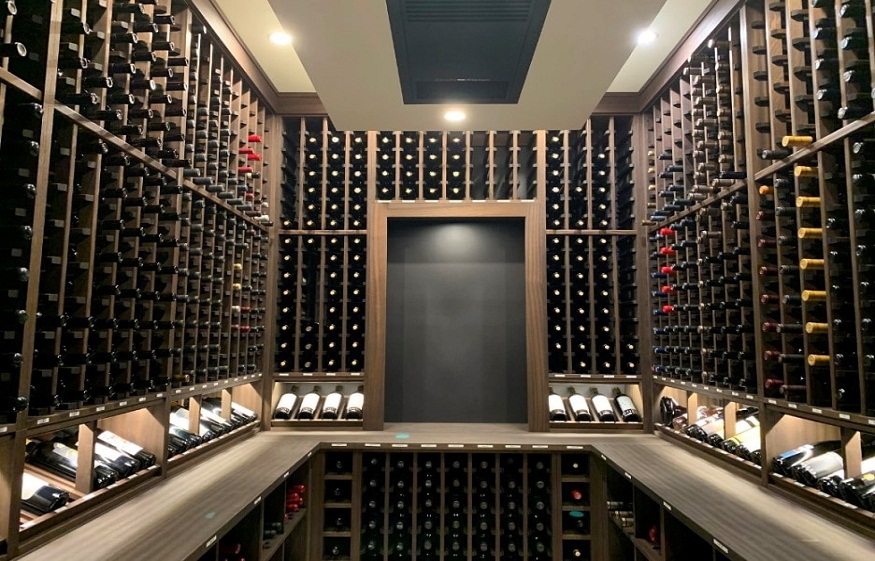
The dream of owning a wine cellar is often associated with sprawling estates, deep underground caves, and endless corridors of oak barrels. However, for the modern urban dweller or the suburban homeowner with limited square footage, the reality of space constraints often seems like an insurmountable barrier to building a proper collection. The good news is that the evolution of climate control technology and the ingenuity of bespoke cabinetry have rewritten the rules of wine storage. You no longer need a basement to house a world-class collection. By utilizing smart design and high-density storage solutions, any small nook, closet, or underutilized corner can be transformed into a stunning custom wine cellars by Millesime that balances form, function, and finesse.
Redefining the Possibilities of Small Footprints
When space is at a premium, the first step in creating a custom wine cellar is to look at your home through a new lens. Areas that were once considered dead space are often the most prime locations for a micro-cellar. One of the most popular choices for modern homeowners is the space beneath a staircase. This often-neglected triangular area can be glass-enclosed to create a dramatic architectural feature while providing enough room for several hundred bottles. Similarly, a reach-in coat closet or a small pantry can be retrofitted with insulation and a cooling unit to serve as a high-capacity sanctuary for your vintages.
The beauty of a custom build is that every inch of the available space is maximized. Unlike pre-fabricated wine fridges that come in standard dimensions, a custom cellar is built to the exact contours of your room. This allows for wall-to-wall and floor-to-ceiling storage, ensuring that no vertical space goes to waste. In a small space, the goal is to move the eye upward, creating an illusion of height and grandeur that belies the small footprint of the installation.
Read More: How to Personalize Your Kitchen Remodel San Diego to Reflect Your Lifestyle
High Density Racking and Smart Layouts
To achieve big storage in a small space, the choice of racking is critical. Traditional wooden racks are beautiful, but they can be bulky, often sacrificing storage capacity for aesthetics. For small-scale cellars, metal racking systems are a game-changer. These sleek, minimalist designs allow bottles to be stored label-forward or neck-forward in a much tighter configuration. Because metal racks are thinner than wood, you can often fit ten to fifteen percent more bottles in the same amount of wall space.
Another smart design strategy is the use of “triple-deep” racking. This allows you to stack three bottles one behind the other on a single shelf, dramatically increasing your bottle count without extending the cellar further into the room. For those who still prefer the warmth of wood, custom-milled slimline mahogany or walnut racks can provide that classic aesthetic without the unnecessary bulk of standard retail options.
Read More: Why Your Water Heater Takes Longer to Heat Over Time: Causes, Fixes & When to Replace Components
Climate Control in Compact Environments
The primary function of any wine cellar is to protect your investment from the enemies of wine: heat, light, and vibration. In a large basement, maintaining a constant fifty-five degrees Fahrenheit is relatively straightforward, but small spaces pose unique challenges for climate control. Because the air volume is lower, temperature fluctuations can happen much more rapidly. This requires a highly precise cooling system tailored specifically for small-capacity environments.
Split systems are often the best choice for small custom cellars. These units keep the noisy, heat-generating compressor outside of the home, while a slim, quiet evaporator is mounted inside the cellar. This not only saves precious internal space but also ensures that the cellar remains a peaceful environment for the wine to age.
Conclusion
Creating a custom wine cellar in a small space is a testament to the idea that luxury is not defined by size, but by the quality of execution. By embracing verticality, choosing high-density materials, and utilizing the latest in compact climate control, you can create a professional-grade environment for your wine in almost any part of your home. A small cellar requires a more disciplined approach to design, but the result is often more intimate, accessible, and visually striking than a traditional large-scale cellar.